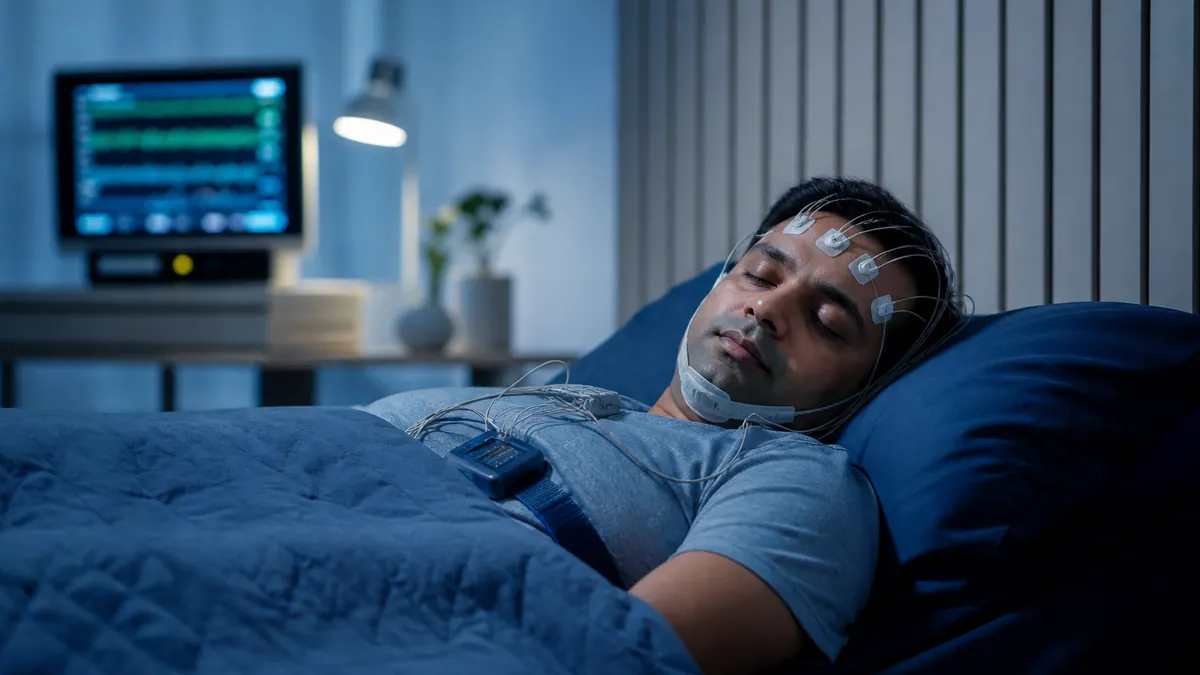
World Stroke Day is 29 October 2026. Most strokes are linked to high blood pressure, diabetes, smoking, high cholesterol, inactivity, and an irregular heartbeat. Families in Hyderabad can lower risk by checking blood pressure, taking prescribed medicines, and knowing the BE FAST warning signs. Stroke prevention visits are available with Dr. Nishanth Ponaganti at ZOI Hospital, Attapur and Apollo Spectra, Kondapur.
A stroke is a brain attack. Blood flow to part of the brain stops, or a vessel bleeds. Minutes matter because brain tissue does not wait. Prevention is quieter work: the tablet taken on an ordinary Wednesday, not only the emergency on a festival night. For warning signs in detail, read Stroke Warning Signs: Every Minute Counts.
What is World Stroke Day?
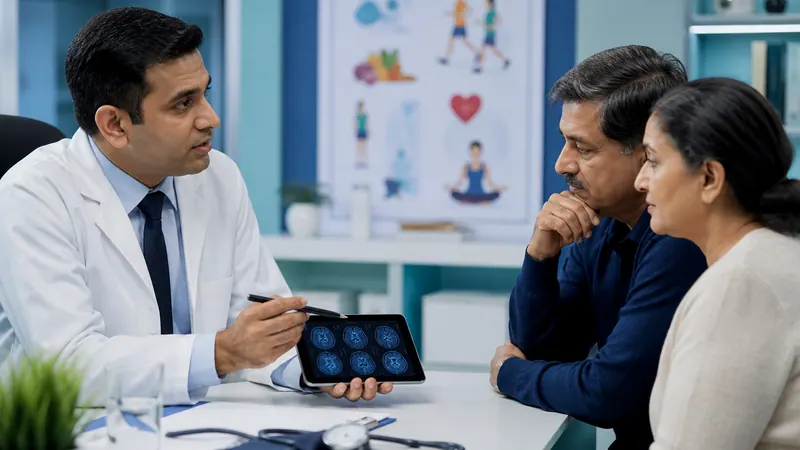
World Stroke Day, marked every 29 October, is a public reminder that most strokes are linked to risks people can change. In Telangana clinics, the common pattern is a person who feels well, skips blood-pressure tablets, and then has sudden weakness. The day is useful if it turns into a blood-pressure check and a medicine review.
What raises stroke risk in Hyderabad adults?
- High blood pressure, including readings that are high only at home.
- Diabetes and high cholesterol.
- Smoking and tobacco chewing.
- Atrial fibrillation, an irregular heartbeat that can send a clot to the brain.
- A previous mini-stroke (TIA), even if the weakness disappeared.
- Long sitting, high salt intake, and untreated sleep apnea with loud snoring and breathing pauses.
What does BE FAST mean?
- B — Balance: sudden dizziness or loss of balance.
- E — Eyes: sudden loss of vision or double vision.
- F — Face: one side of the face droops.
- A — Arm: one arm or leg is weak or numb.
- S — Speech: slurred or confused speech.
- T — Time: note the time and reach a stroke-ready emergency department immediately.
Do not drive across the city looking for a routine clinic slot if these signs are happening now. Emergency treatment is time-limited. A planned stroke and TIA consultation is for prevention and for follow-up after the emergency has been handled.
How do you prevent another stroke?
After a stroke or TIA, the plan usually includes blood-pressure control, a statin when indicated, an antiplatelet or anticoagulant chosen for your heart rhythm, stopping tobacco, and walking most days. Targets are individual. Do not copy a neighbour’s dose. Bring home blood-pressure readings and your current strips to the visit at Attapur or Kondapur so the plan matches what you actually take.
Questions patients ask
Note the time symptoms started and go to the nearest stroke-ready emergency department immediately. Do not wait to see if weakness, speech change, or facial droop passes. Treatment is most effective in the first hours.
No. A transient ischemic attack is a warning stroke. The chance of a full stroke is highest over the following days, so same-day neurological review is appropriate.
Yes. Uncontrolled hypertension is the leading modifiable stroke risk. Home blood-pressure checks and taking prescribed medicine every day matter more than a single clinic reading.
Dr. Nishanth Ponaganti consults at ZOI Hospital, Attapur, Monday to Saturday, 10:00 AM to 4:00 PM, and at Apollo Spectra, Kondapur, 5:00 PM to 7:00 PM. Call 9880612519.
Book Dr. Nishanth Ponaganti at ZOI Hospital, Attapur or Apollo Spectra, Kondapur.