Stroke & TIA Care
Rapid evaluation and management of acute stroke and transient ischemic attacks (TIA). Comprehensive stroke prevention programmes and post-stroke rehabilitation guidance for optimal recovery.

About Stroke & TIA Care
Stroke is a medical emergency requiring immediate action. Dr. Nishanth Ponaganti provides comprehensive stroke care — from acute evaluation and TIA assessment to long-term stroke prevention through risk factor management, antiplatelet therapy, and lifestyle counselling.
Stroke and TIA care in Attapur and Kondapur, Hyderabad — rapid neurological evaluation and stroke prevention at ZOI Hospital.
Who Is This Treatment For?
Guidance based on common symptoms and when to seek specialist care.
Common Concerns
When It Is Recommended
Seek emergency care immediately for stroke symptoms. For TIA or stroke prevention, schedule a neurologist visit at ZOI Hospital, Attapur and Kondapur.
Why Choose This Service
-
01
Rapid stroke & TIA evaluation
-
02
Stroke prevention programmes
-
03
Risk factor management
-
04
Post-stroke rehabilitation guidance
Treatment Process
A clear path from first visit to ongoing neurological care.
-
01
Consultation
Book a visit at ZOI Hospital, Attapur or Apollo Spectra, Kondapur.
-
02
Evaluation
Detailed neurological history and examination.
-
03
Diagnostics
Targeted tests when clinically indicated.
-
04
Treatment Plan
Personalised care matched to your diagnosis.
-
05
Follow-up
Ongoing monitoring and plan adjustments.
Treatment Details
Understanding Stroke & TIA
Stroke is a leading cause of death and disability in India, affecting millions each year. It occurs when blood supply to part of the brain is interrupted — either by a blocked artery (ischaemic stroke, accounting for roughly 85% of cases) or a burst blood vessel (haemorrhagic stroke). Every minute without treatment during an acute stroke can result in the loss of nearly two million brain cells, making rapid recognition and emergency care critical.
A Transient Ischaemic Attack (TIA), sometimes called a "mini-stroke," produces stroke-like symptoms that resolve within 24 hours — often within minutes. Despite the temporary nature of symptoms, TIA is a serious warning sign. Approximately one in ten TIA patients will have a full stroke within the following week if not properly evaluated and treated. TIA should never be ignored.
Dr. Nishanth Ponaganti provides comprehensive stroke neurology care at ZOI Hospital, Attapur and Kondapur — from acute evaluation guidance and TIA assessment to long-term stroke prevention programmes. His training at NIMS included extensive exposure to stroke neurology and neurocritical care, equipping him to manage the full stroke care continuum.
Recognising Stroke — The FAST Approach
Public awareness of stroke symptoms saves lives. The FAST mnemonic is widely used: Face drooping (one side of the face sagging), Arm weakness (inability to raise one arm), Speech difficulty (slurred or strange speech), Time to call emergency services immediately. Additional warning signs include sudden severe headache, sudden vision loss in one or both eyes, sudden dizziness or loss of balance, and sudden confusion.
Stroke symptoms typically begin abruptly — the key word is "sudden." Gradual onset of weakness or numbness over days or weeks is less likely to represent acute stroke and more likely to indicate other neurological conditions. However, any new neurological symptom warrants medical evaluation.
If you or someone near you shows stroke symptoms, call emergency services immediately. Do not wait to see if symptoms improve. Early treatment with clot-busting medication (thrombolysis) within 4.5 hours of onset can dramatically improve outcomes for ischaemic stroke. Hyderabad has several hospitals equipped for acute stroke management — act fast.
Stroke Prevention & Risk Factor Management
Up to 80% of strokes are preventable through control of modifiable risk factors. High blood pressure is the single most important risk factor — maintaining blood pressure below 130/80 mmHg significantly reduces stroke risk. Diabetes, high cholesterol, atrial fibrillation (irregular heartbeat), smoking, obesity, physical inactivity, and excessive alcohol consumption all contribute to stroke risk.
At ZOI Hospital, Attapur and Kondapur, Dr. Nishanth Ponaganti conducts comprehensive stroke risk assessments for patients with TIA history, family history of stroke, multiple risk factors, or previous stroke. Assessment includes blood pressure monitoring, blood tests (lipid profile, HbA1c, kidney function), ECG for atrial fibrillation, and carotid artery evaluation when indicated.
Prevention strategies include antiplatelet therapy (aspirin or clopidogrel) for patients with TIA or ischaemic stroke history, anticoagulation for atrial fibrillation, statin therapy for cholesterol management, strict blood pressure control, smoking cessation, and lifestyle modifications including regular exercise and a Mediterranean-style diet rich in fruits, vegetables, and whole grains.
Post-Stroke Care & Rehabilitation
Recovery after stroke continues for months and even years. The brain has remarkable capacity for reorganisation (neuroplasticity), and structured rehabilitation maximises functional recovery. Physiotherapy improves mobility and strength, occupational therapy addresses daily living skills, and speech therapy helps patients with communication and swallowing difficulties.
Dr. Nishanth Ponaganti provides post-stroke neurological follow-up — monitoring for complications such as recurrent stroke, seizures, spasticity, depression, and cognitive changes. Medication adjustments, spasticity management, and mood support are part of comprehensive post-stroke care. Secondary prevention remains the priority throughout recovery.
Family education is essential. Caregivers learn to recognise warning signs of recurrence, support medication compliance, assist with rehabilitation exercises, and manage the emotional impact of stroke on both patient and family. Support groups and community resources in Hyderabad can provide additional assistance.
Stroke Treatment at Our Clinic
For acute stroke, emergency hospital care is required — our clinic provides post-acute evaluation, TIA assessment, and prevention programmes. TIA patients undergo urgent evaluation within 24–48 hours including brain imaging (MRI preferred), vascular imaging (carotid Doppler or MR angiography), cardiac evaluation, and blood investigations.
Long-term stroke prevention plans are individualised based on stroke type (ischaemic vs haemorrhagic), identified cause (large artery disease, cardioembolic, lacunar), and patient-specific factors. Treatment follows Indian and international stroke guidelines, with regular follow-up at 3-month intervals initially, then 6-monthly once stable.
Patients from Attapur and Kondapur, Rajendranagar, Mehdipatnam, and across Hyderabad benefit from accessible specialist stroke care without travelling to distant tertiary centres for routine follow-up. Complex cases requiring interventional procedures are referred to appropriate centres with full documentation.
When to Schedule a Stroke Neurology Visit
Schedule a visit if you have had a TIA or stroke (for follow-up and prevention), have multiple stroke risk factors, have a family history of stroke at young age, or experience transient neurological symptoms that resolved. Do not wait for symptoms to recur — proactive evaluation after TIA prevents devastating stroke.
Bring all hospital discharge summaries, brain imaging reports, and current medication lists to your appointment. Dr. Nishanth Ponaganti reviews your stroke workup comprehensively and ensures no aspect of prevention is overlooked.
Contact ZOI Hospital, Attapur at 9880612519. Clinic hours: Monday to Saturday: ZOI Hospital Attapur 10:00 AM – 4:00 PM; Apollo Spectra Kondapur 5:00 PM – 7:00 PM. For acute stroke symptoms, call emergency services — do not travel to the clinic.
Diagnostic Tests & Evaluations
- Clinical stroke scale assessment
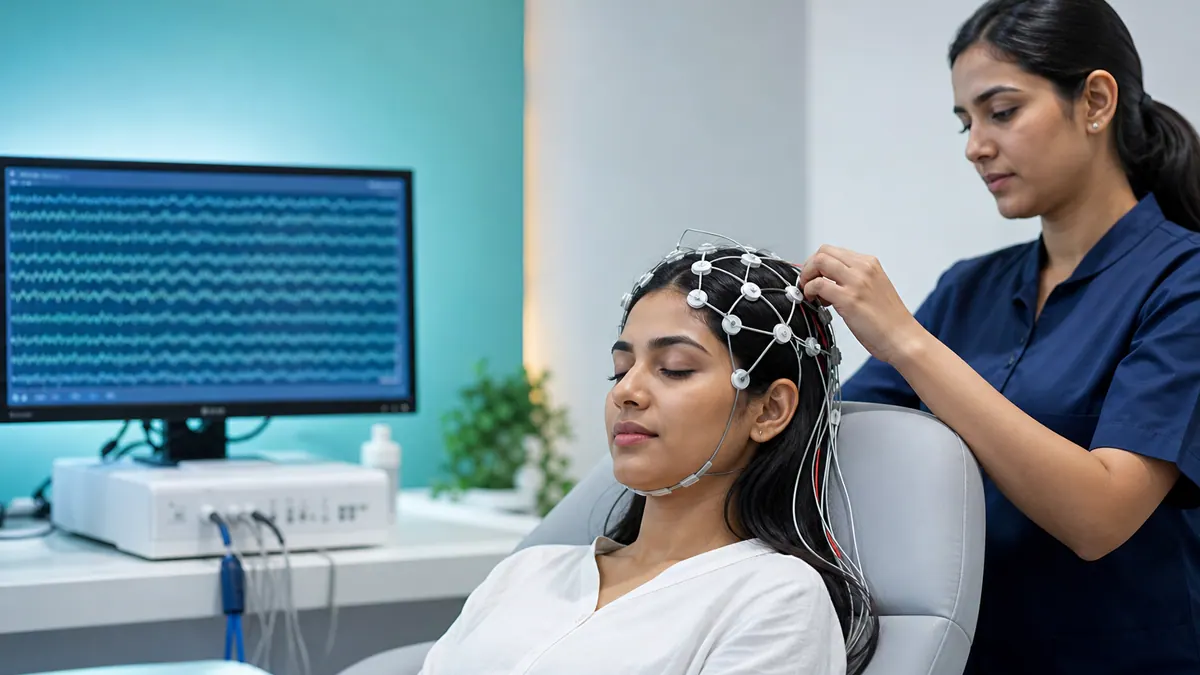
- MRI / CT brain imaging review
- Carotid & vascular evaluation
- Cardiac & blood pressure monitoring
Our Treatment Approach
After acute stroke management, focus shifts to identifying the cause, preventing recurrence, and optimising recovery. Blood pressure control, antiplatelet therapy, statins, and lifestyle changes form the cornerstone of secondary prevention.
Sub-Services & Treatments
-
 01
Stroke Evaluation & Diagnosis
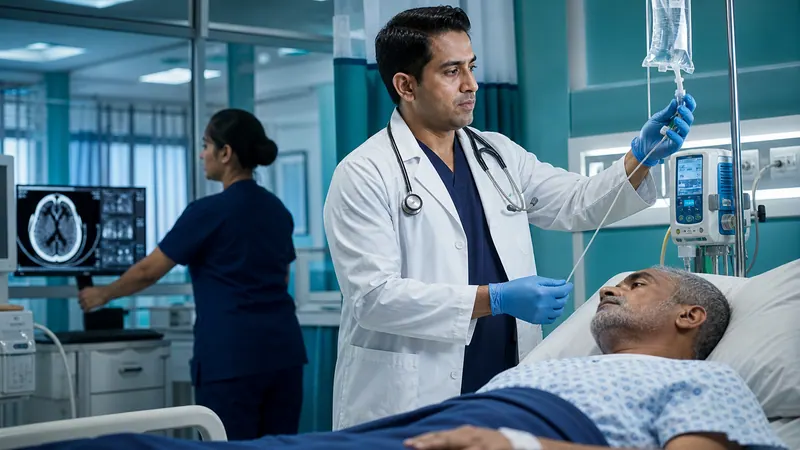
Rapid stroke evaluation is critical — every minute counts when brain tissue is at risk. Dr. Nishanth Ponaganti performs urgent clinical assessment, reviews CT and MRI imaging, and classifies stroke type as ischaemic or haemorrhagic. Symptom onset time, neurological deficits, and vascular risk factors are documented systematically. Accurate early diagnosis determines eligibility for clot-busting treatment and guides immediate management. Patients across Hyderabad presenting with sudden weakness, speech difficulty, or facial drooping receive priority evaluation at ZOI Hospital, Attapur and Kondapur.
-
 02
Acute Stroke Management
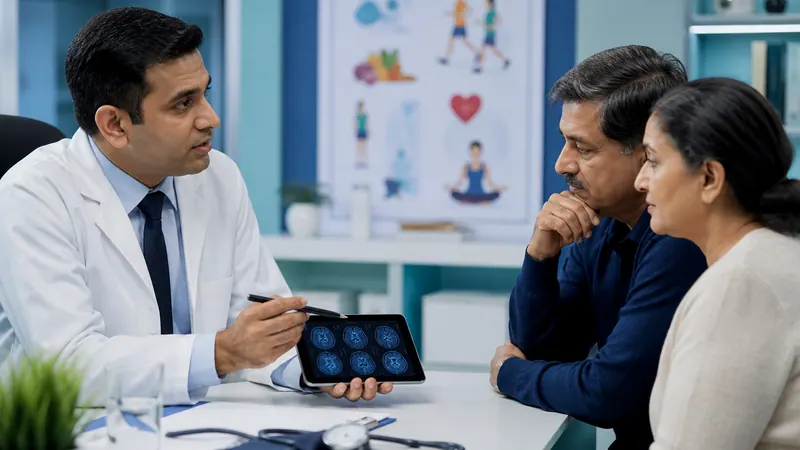
Acute stroke management requires coordinated decision-making across emergency, radiology, and neurology teams. Dr. Nishanth Ponaganti provides expert guidance on thrombolysis eligibility, blood pressure control, antiplatelet therapy, and monitoring for complications such as brain swelling or recurrent events. In-hospital stroke pathway care is supervised with daily neurological assessments and imaging when needed. Families receive clear communication about prognosis, treatment rationale, and the critical first hours and days of recovery following a stroke event.
-
 03
Stroke Prevention & Risk Assessment
Up to eighty percent of strokes are preventable through proper risk factor management. Dr. Nishanth Ponaganti conducts comprehensive stroke risk assessment covering blood pressure, diabetes, cholesterol, atrial fibrillation, smoking, and lifestyle factors. Personalised prevention plans include antiplatelet or anticoagulant therapy, statin treatment, dietary guidance, and exercise recommendations. Regular monitoring ensures risk factors remain controlled. Patients with prior stroke, TIA, or strong family history benefit from structured long-term prevention programmes at ZOI Hospital, Attapur and Kondapur.
-
 04
TIA Evaluation
A transient ischemic attack (TIA), often called a mini-stroke, is a critical warning sign — up to twenty percent of TIA patients suffer a full stroke within days without proper treatment. Dr. Nishanth Ponaganti performs urgent TIA workup including neurological examination, brain and vessel imaging, cardiac evaluation, and blood investigations. ABCD2 scoring helps stratify short-term stroke risk. Immediate initiation of antiplatelet therapy and risk factor correction dramatically reduces subsequent stroke probability. Never ignore temporary weakness or speech loss — prompt evaluation saves lives.
-
 05
Post-Stroke Rehabilitation Guidance
Recovery after stroke extends well beyond the acute hospital phase and requires a structured rehabilitation plan tailored to each patient's deficits. Dr. Nishanth Ponaganti coordinates post-stroke recovery guidance covering physiotherapy for mobility, speech therapy for communication difficulties, occupational therapy for daily activities, and psychological support for emotional adjustment. Secondary prevention medications are optimised to prevent recurrence. Regular follow-up assessments track functional improvement and adjust the rehabilitation strategy, helping patients across Hyderabad regain independence and quality of life.

Why Choose Dr. Nishanth Ponaganti
Dr. Nishanth Ponaganti
Consultant Neurologist · DM Neurology (NIMS)
- DM Neurology — NIMS Hyderabad
- Fellowship in Headache & Facial Pains
- Reg. No. APMC-FMR-78867
- 5,000+ patients treated · 10+ years experience
- ZOI Hospital Attapur · Apollo Spectra Kondapur
Stroke prevention is a lifelong commitment that requires specialist oversight. With stroke incidence rising in India, having a dedicated stroke neurologist manage your risk factors, medications, and recovery plan provides protection against recurrence.
Questions About Stroke & TIA Care
A TIA (mini-stroke) causes temporary symptoms that resolve within 24 hours. A stroke causes lasting brain damage. Both require urgent neurological evaluation.
Dr. Nishanth Ponaganti provides stroke evaluation, acute management guidance, and long-term stroke prevention at ZOI Hospital, Attapur and Kondapur, Hyderabad.
Remember FAST — Face drooping, Arm weakness, Speech difficulty, Time to call emergency services. Sudden severe headache, vision loss, or balance problems also warrant urgent care.
Yes. Up to 80% of strokes are preventable through blood pressure control, diabetes management, healthy diet, exercise, and treating conditions like atrial fibrillation.
Recovery varies widely. Most motor improvement occurs in the first 3–6 months, but continued gains are possible for 1–2 years with rehabilitation. Speech and cognitive recovery may take longer. Early physiotherapy and specialist follow-up maximise recovery potential.
Yes. Antiplatelet therapy (aspirin or clopidogrel) is standard after TIA to reduce stroke risk. Your neurologist selects the appropriate medication and dose based on your stroke workup, bleeding risk, and other medical conditions.
Ready to Discuss Your Treatment?
Book a neurology consultation for Stroke & TIA Care at ZOI Hospital, Attapur or Apollo Spectra, Kondapur.



Clinic & Hospital Locations
ZOI Hospital, Attapur
ZOI Hospital, Attapur and Kondapur, Hyderabad, Telangana 500048, India
Mon – Sat · 10:00 AM – 4:00 PM
Apollo Spectra, Kondapur
Apollo Spectra Hospitals, Kondapur, Hyderabad, Telangana, India
Mon – Sat · 5:00 PM – 7:00 PM