Spine & Nerve Disorders
Expert management of sciatica, radiculopathy, and spinal nerve-related conditions. Comprehensive assessment of back and neck pain with neurological origins.

About Spine & Nerve Disorders
Spine-related nerve conditions like sciatica and cervical radiculopathy cause significant pain and disability. Dr. Nishanth Ponaganti evaluates the neurological basis of spine pain, distinguishing nerve root compression from other causes, and creates effective non-surgical management plans.
Sciatica and nerve pain treatment in Hyderabad — radiculopathy and spine-related neurological care at Attapur and Kondapur.
Who Is This Treatment For?
Guidance based on common symptoms and when to seek specialist care.
Common Concerns
When It Is Recommended
Consult a neurologist if back or neck pain radiates to the arms or legs, causes numbness, or persists beyond 4–6 weeks.
Why Choose This Service
-
01
Sciatica & radiculopathy expertise
-
02
Non-surgical nerve pain management
-
03
Spine imaging review
-
04
Physiotherapy coordination
Treatment Process
A clear path from first visit to ongoing neurological care.
-
01
Consultation
Book a visit at ZOI Hospital, Attapur or Apollo Spectra, Kondapur.
-
02
Evaluation
Detailed neurological history and examination.
-
03
Diagnostics
Targeted tests when clinically indicated.
-
04
Treatment Plan
Personalised care matched to your diagnosis.
-
05
Follow-up
Ongoing monitoring and plan adjustments.
Treatment Details
Understanding Spine & Nerve Disorders
Spine-related neurological conditions arise when structures in the spine — discs, vertebrae, or ligaments — compress or irritate spinal nerves. This produces radiculopathy: pain, numbness, tingling, or weakness along the path of the affected nerve. Sciatica (lumbar radiculopathy affecting the sciatic nerve) and cervical radiculopathy (arm symptoms from neck nerve compression) are the most common presentations.
Back pain alone is not necessarily neurological — but when pain radiates to the leg or arm, causes numbness or weakness, or follows a nerve root pattern, neurological evaluation is essential. The distinction between mechanical back pain and nerve root compression determines the treatment approach and urgency of intervention.
Dr. Nishanth Ponaganti at ZOI Hospital, Attapur and Kondapur evaluates spine-related nerve conditions from a neurological perspective — focusing on nerve function, not just pain. This ensures patients receive appropriate medical management before surgical options are considered, and that surgery is not delayed when genuinely needed.
Sciatica & Lumbar Radiculopathy
Sciatica refers to pain radiating along the sciatic nerve from the lower back through the buttock and down the leg, often below the knee. It is most commonly caused by a herniated lumbar disc pressing on a nerve root (L4, L5, or S1). Other causes include spinal stenosis (narrowing), spondylolisthesis (vertebral slippage), and piriformis syndrome.
Typical symptoms include shooting leg pain worse with sitting, coughing, or straining, numbness in the foot or toes, and weakness in ankle or toe movements. The straight leg raise test — pain when the examiner lifts the leg while the patient lies flat — is a classic clinical sign.
Most sciatica (80–90%) resolves within 6–12 weeks with conservative treatment. Only a small minority require surgery. Red flags requiring urgent evaluation include progressive leg weakness, saddle anaesthesia, bladder or bowel dysfunction (cauda equina syndrome), and severe pain unresponsive to medication.
Cervical Radiculopathy & Neck-Related Nerve Pain
Cervical radiculopathy occurs when a nerve root in the neck is compressed — usually by a disc herniation or bone spur. Symptoms follow the nerve's path into the arm: pain, numbness, tingling, and weakness in specific muscle groups. C6 radiculopathy affects the thumb and index finger; C7 affects the middle finger; C8 affects the ring and little fingers.
Spurling's test (neck extension with lateral tilt reproducing arm pain) supports the diagnosis. MRI cervical spine confirms the level and severity of compression. Many cases improve with medication, cervical collar (short-term), physiotherapy, and activity modification.
Surgical referral is considered for progressive weakness, persistent symptoms beyond 6–8 weeks despite treatment, or myelopathy (spinal cord compression causing gait difficulty and hand clumsiness) — which requires urgent neurosurgical evaluation.
Neurological Evaluation of Spine Conditions
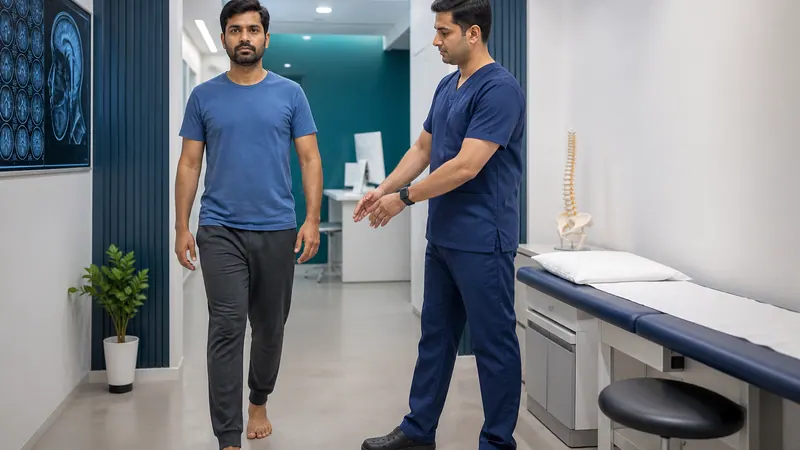
Neurological examination maps symptoms to specific nerve roots. Motor testing identifies which muscle groups are weak (L5 foot drop, C7 wrist extension weakness). Sensory testing maps numbness to dermatomes. Reflex changes (absent ankle jerk in S1 radiculopathy, absent biceps jerk in C5) provide localisation. Gait assessment reveals functional impact.
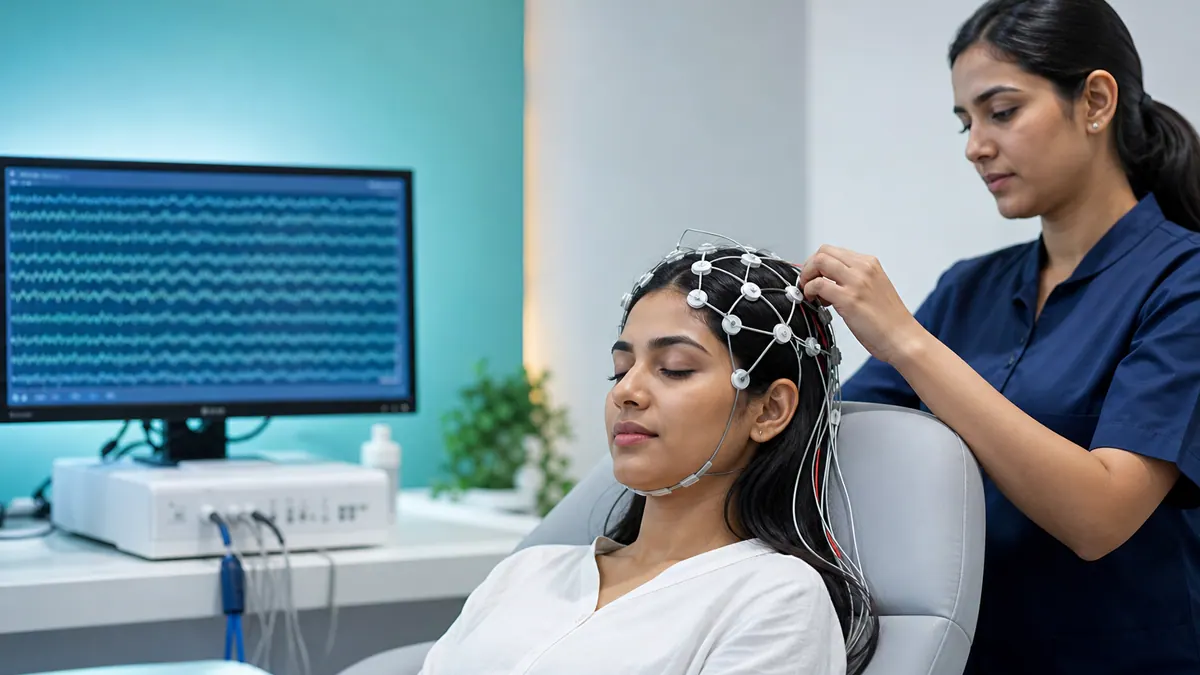
MRI spine is the investigation of choice for persistent radiculopathy — showing disc herniation, stenosis, and nerve compression clearly. EMG/nerve conduction studies confirm nerve root involvement and distinguish active from chronic compression. Plain X-rays assess alignment and degenerative changes.
Dr. Nishanth Ponaganti correlates imaging findings with clinical examination — an MRI showing disc bulge does not always explain symptoms, and treatment is guided by clinical presentation rather than scan appearance alone.
Non-Surgical Management of Spine Nerve Conditions
First-line treatment includes neuropathic pain medications (pregabalin, gabapentin), anti-inflammatory drugs, muscle relaxants for spasm, and short courses of oral steroids for acute radiculopathy. Physiotherapy — including McKenzie exercises, core strengthening, and nerve gliding — is essential for recovery.
Epidural steroid injections may be recommended for persistent radiculopathy and are arranged through referral when appropriate. Activity modification, ergonomic workplace adjustments, and weight management reduce mechanical stress on the spine.
Surgery is reserved for cauda equina syndrome (emergency), progressive neurological deficit, or failed conservative treatment after 6–8 weeks. Dr. Nishanth Ponaganti coordinates surgical referrals with detailed neurological documentation when required.
When to See a Neurologist for Spine Pain
Consult if back or neck pain radiates to the arm or leg, causes numbness or weakness, wakes you at night, follows an injury, or persists beyond 4–6 weeks despite rest and pain medication. Early neurological evaluation prevents progression and avoids unnecessary imaging.
Bring previous MRI/CT reports and CDs if available. Wear comfortable clothing that allows examination of arms and legs.
ZOI Hospital, Attapur — call 9880612519. ZOI Attapur 10 AM – 4 PM · Apollo Spectra Kondapur 5 PM – 7 PM. Non-surgical spine nerve care for Hyderabad patients seeking expert neurological evaluation.
Diagnostic Tests & Evaluations
- Neurological examination of nerve roots
- MRI spine review
- EMG for nerve function
- Straight leg raise & provocation tests
Our Treatment Approach
Most spine nerve conditions improve with a combination of nerve pain medications, physiotherapy, epidural injection referrals when needed, and activity modification. Surgery is considered only when conservative treatment fails or red flags are present.
Sub-Services & Treatments
-
 01
Sciatica & Nerve Pain Management
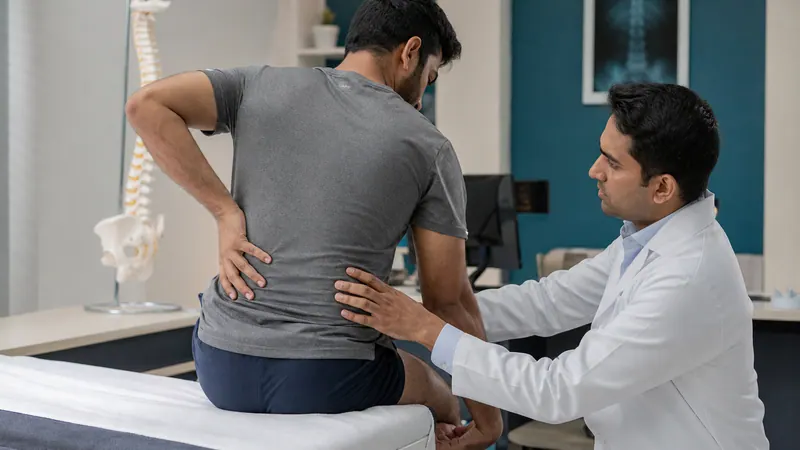
Sciatica causes sharp, shooting pain radiating from the lower back down the leg, often with numbness or weakness. Dr. Nishanth Ponaganti determines whether symptoms arise from disc herniation, spinal stenosis, or piriformis syndrome through examination and imaging review. Most cases improve with targeted medication, physiotherapy, and activity modification without surgery. Red flags such as bowel or bladder dysfunction are identified for urgent intervention. Structured management at ZOI Hospital helps most patients return to normal activity.
-
 02
Radiculopathy Evaluation
Radiculopathy occurs when a nerve root in the cervical or lumbar spine is compressed, causing pain, numbness, and weakness in a specific limb distribution. Dr. Nishanth Ponaganti maps symptoms to the affected nerve root through neurological testing — reflex changes, sensory loss, and weakness patterns. MRI correlation confirms the structural cause. Treatment ranges from conservative management to epidural injection or surgical referral for persistent compression. Accurate diagnosis ensures treatment targets the actual problem.
-
 03
Spinal Nerve Disorder Assessment
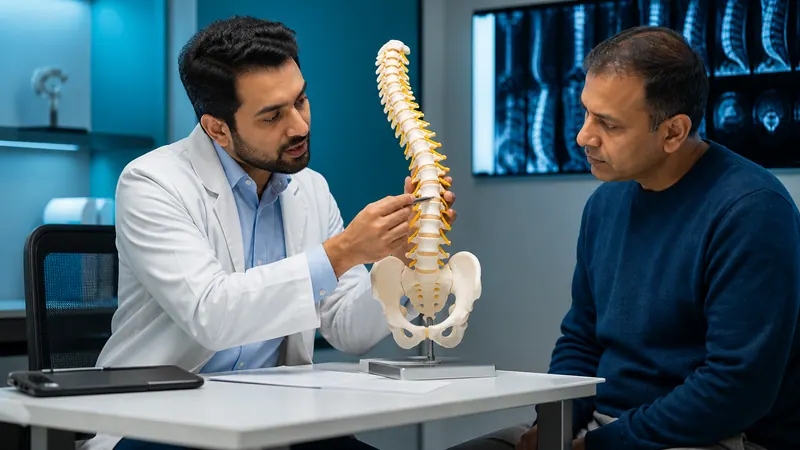
Spinal nerve disorder assessment combines expert neurological examination with careful review of MRI and CT imaging to determine whether spine findings actually explain your symptoms. Many patients carry incidental disc bulges on scans that cause no symptoms, while others have significant nerve compression with minimal imaging changes. Dr. Nishanth Ponaganti correlates clinical findings with radiological reports to avoid unnecessary surgery and ensure genuine nerve compression is not missed. This integrated approach at ZOI Hospital delivers accurate diagnosis and appropriate treatment recommendations.
-
 04
Back & Neck-Related Neurological Conditions
Back and neck pain with neurological symptoms — numbness, tingling, weakness, or gait difficulty — requires neurological rather than purely orthopaedic assessment. Dr. Nishanth Ponaganti evaluates cervical myelopathy, lumbar stenosis, cauda equina syndrome, and nerve root compression through structured examination and imaging review. Conditions causing spinal cord compression demand urgent attention to prevent permanent neurological damage. Integrated care plans combine medication, physiotherapy, postural correction, and surgical referral when conservative measures are insufficient. Patients across Hyderabad receive coordinated spine-neurology care at ZOI Hospital.

Why Choose Dr. Nishanth Ponaganti
Dr. Nishanth Ponaganti
Consultant Neurologist · DM Neurology (NIMS)
- DM Neurology — NIMS Hyderabad
- Fellowship in Headache & Facial Pains
- Reg. No. APMC-FMR-78867
- 5,000+ patients treated · 10+ years experience
- ZOI Hospital Attapur · Apollo Spectra Kondapur
Spine-related nerve pain is often managed by multiple specialists — orthopaedic surgeons, physiotherapists, and pain clinics — without a unified neurological perspective. Dr. Nishanth Ponaganti evaluates nerve function directly, ensuring treatment targets the actual problem.
Questions About Spine & Nerve Disorders
Sciatica is pain along the sciatic nerve, usually caused by a herniated disc or nerve compression in the lower spine. It causes shooting pain from the back to the leg.
Most sciatica cases improve with medication, physiotherapy, and neurological management. Surgery is considered only when conservative treatment fails.
Most cases improve within 4–6 weeks with proper treatment. Persistent symptoms beyond 6 weeks warrant further neurological evaluation and imaging.
Yes. Cervical radiculopathy occurs when nerves in the neck are compressed, causing arm pain, numbness, or weakness. A neurologist evaluates and treats this condition.
Prolonged bed rest worsens sciatica. Current guidelines recommend staying active within pain limits, combined with medication and physiotherapy. Return to normal activities as soon as possible — movement aids recovery and prevents deconditioning.
Gentle yoga and stretching under physiotherapy guidance can help some patients with mild radiculopathy. However, aggressive twisting or forward bending may worsen disc herniation. Always consult your neurologist before starting new exercise programmes.
Ready to Discuss Your Treatment?
Book a neurology consultation for Spine & Nerve Disorders at ZOI Hospital, Attapur or Apollo Spectra, Kondapur.



Clinic & Hospital Locations
ZOI Hospital, Attapur
ZOI Hospital, Attapur and Kondapur, Hyderabad, Telangana 500048, India
Mon – Sat · 10:00 AM – 4:00 PM
Apollo Spectra, Kondapur
Apollo Spectra Hospitals, Kondapur, Hyderabad, Telangana, India
Mon – Sat · 5:00 PM – 7:00 PM