
Sub-Services & Treatments
-
 01
01
Seizure Evaluation & Diagnosis
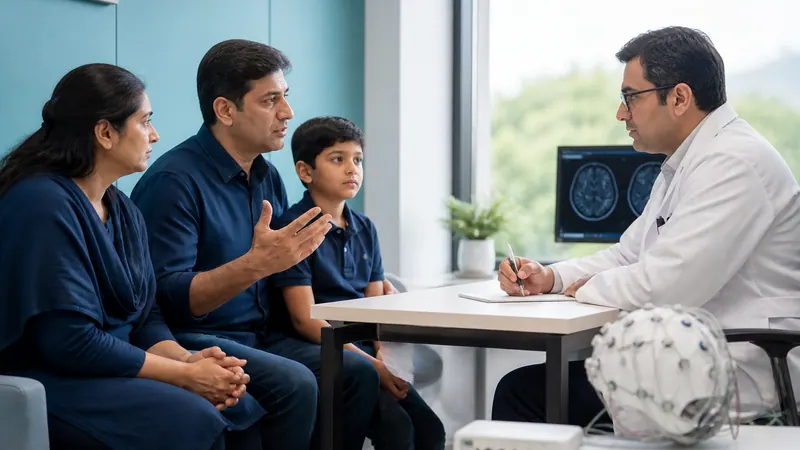
Accurate seizure diagnosis begins with a detailed eyewitness account of events, as patients often have no memory of the episode itself. Dr. Nishanth Ponaganti takes a thorough history covering seizure type, frequency, triggers, and recovery patterns, followed by a full neurological examination. EEG recording and brain MRI help classify epilepsy syndrome and identify structural causes. Video recordings from family members are particularly valuable. Proper classification — focal versus generalised, provoked versus unprovoked — determines the most effective treatment pathway at ZOI Hospital.
-
 02
02
Epilepsy Management
Long-term epilepsy management focuses on achieving seizure freedom while maintaining the best possible quality of life. Dr. Nishanth Ponaganti creates individualised care plans addressing medication selection, seizure trigger avoidance, sleep hygiene, and safety precautions for daily activities including driving and employment. Regular monitoring tracks seizure frequency, medication levels, and cognitive function. Most patients achieve good control with the first or second anti-seizure medication. Structured follow-up at ZOI Hospital, Attapur and Kondapur ensures your treatment evolves as your condition stabilises over time.
-
 03
03
Anti-Seizure Medication Management
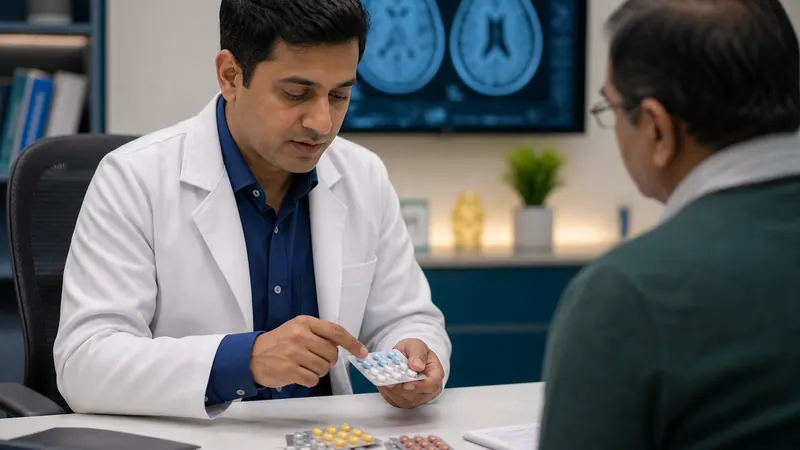
Anti-seizure medications require careful selection, dose titration, and ongoing monitoring to balance seizure control against side effects. Dr. Nishanth Ponaganti optimises medication regimens based on epilepsy type, patient age, weight, kidney and liver function, and drug interactions with other prescriptions. Common side effects such as drowsiness, dizziness, or mood changes are addressed promptly through dose adjustment or medication switching. Blood level monitoring is arranged when clinically indicated. Patient education on adherence and what to do if a dose is missed is provided at every visit.
-
 04
04
Recurrent Seizure Assessment
Breakthrough seizures despite medication require systematic review to identify why control has been lost. Dr. Nishanth Ponaganti evaluates possible causes including missed doses, sleep deprivation, illness, new drug interactions, progressive underlying conditions, or simply inadequate medication levels. EEG and imaging may be repeated to reassess diagnosis. Treatment adjustments — dose increases, medication additions, or switching to alternative agents — are made based on findings. Identifying and correcting the cause of recurrent seizures restores stability and reduces the risk of injury or status epilepticus.