Sleep & Neurological Wellness
Management of sleep-related neurological disorders and preventive neurological care. Early evaluation of neurological symptoms for timely intervention and better outcomes.
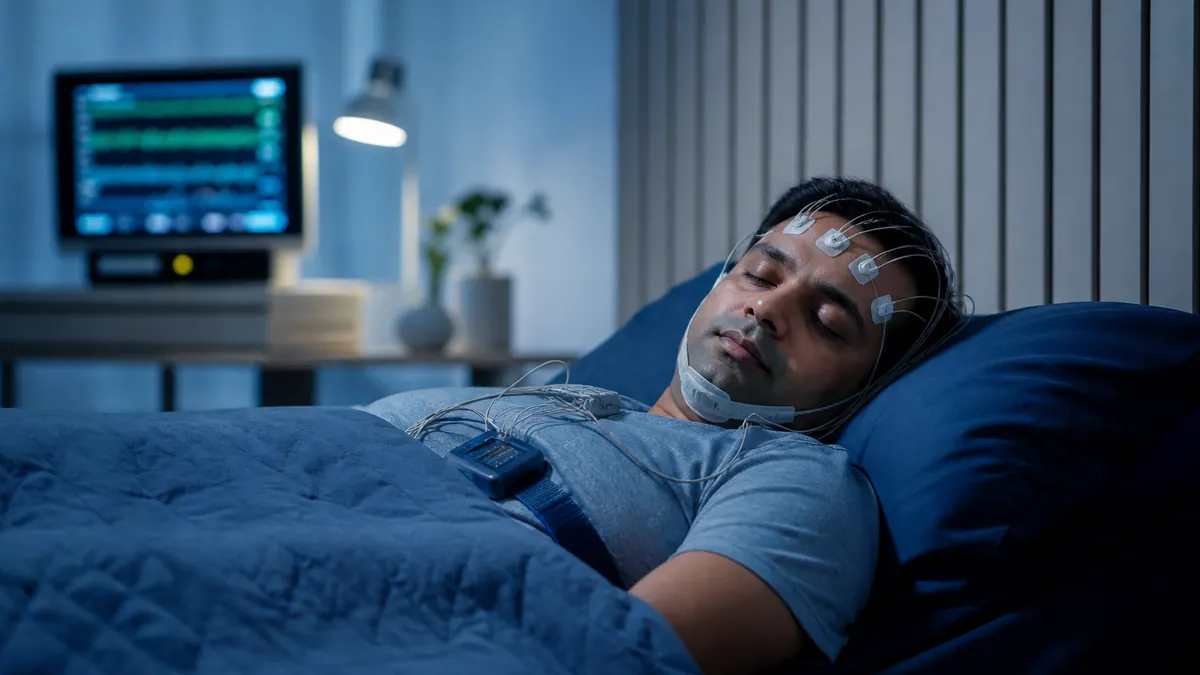
About Sleep & Neurological Wellness
Sleep and neurological health are closely connected. Dr. Nishanth Ponaganti evaluates sleep disorders with neurological origins — including restless legs syndrome, narcolepsy, and sleep-related movement disorders — alongside preventive neurological screening.
Sleep-related neurological care in Attapur and Kondapur, Hyderabad — evaluation of sleep disorders linked to neurological conditions.
Who Is This Treatment For?
Guidance based on common symptoms and when to seek specialist care.
Common Concerns
When It Is Recommended
See a neurologist if sleep problems persist, cause daytime fatigue, or occur alongside other neurological symptoms.
Why Choose This Service
-
01
Neurological sleep disorder expertise
-
02
Restless legs & narcolepsy care
-
03
Preventive neurological screening
-
04
Sleep hygiene counselling
Treatment Process
A clear path from first visit to ongoing neurological care.
-
01
Consultation
Book a visit at ZOI Hospital, Attapur or Apollo Spectra, Kondapur.
-
02
Evaluation
Detailed neurological history and examination.
-
03
Diagnostics
Targeted tests when clinically indicated.
-
04
Treatment Plan
Personalised care matched to your diagnosis.
-
05
Follow-up
Ongoing monitoring and plan adjustments.
Treatment Details
Sleep & Neurological Health
Sleep is not merely rest — it is an active neurological process essential for memory consolidation, immune function, metabolic health, and emotional regulation. Chronic sleep disruption increases the risk of stroke, heart disease, obesity, depression, and cognitive decline. Many sleep disorders have neurological origins and require specialist evaluation rather than generic sleeping pills.
Neurologists evaluate conditions such as restless legs syndrome (RLS), narcolepsy, REM sleep behaviour disorder, sleep-related epilepsy, and parasomnias. These conditions are frequently misdiagnosed as insomnia or anxiety, leading to years of ineffective treatment with sedatives.
Dr. Nishanth Ponaganti at ZOI Hospital, Attapur and Kondapur evaluates sleep-related neurological disorders as part of comprehensive neurological care — and provides preventive neurological screening to identify stroke and dementia risk factors before they cause symptoms.
Restless Legs Syndrome & Narcolepsy
Restless Legs Syndrome (RLS) causes an irresistible urge to move the legs, typically in the evening and at night, accompanied by uncomfortable crawling or tingling sensations. Symptoms worsen with rest and improve with movement. RLS disrupts sleep, causing daytime fatigue, and is associated with iron deficiency, pregnancy, kidney disease, and Parkinson's disease.
RLS is treated with dopamine agonists (pramipexole, ropinirole), alpha-2-delta ligands (pregabalin, gabapentin), or iron supplementation when ferritin is low. Avoiding caffeine, alcohol, and certain antidepressants that worsen RLS is important.
Narcolepsy causes excessive daytime sleepiness, cataplexy (sudden muscle weakness triggered by emotions), sleep paralysis, and hypnagogic hallucinations. It results from loss of hypocretin-producing neurons in the brain. Treatment includes wakefulness-promoting agents (modafinil) and sodium oxybate for cataplexy.
Insomnia, Sleep Apnea & Circadian Disorders
Chronic insomnia — difficulty falling or staying asleep — has neurological, psychological, and behavioural components. Sleep hygiene education (consistent schedule, dark cool bedroom, no screens before bed) is the foundation. Cognitive behavioural therapy for insomnia (CBT-I) is the most effective long-term treatment.
Obstructive sleep apnea causes repeated breathing pauses during sleep, leading to snoring, gasping, morning headaches, and severe daytime sleepiness. It is a major stroke and heart attack risk factor. Diagnosis requires polysomnography (sleep study), arranged through referral. CPAP therapy is the gold standard treatment.
Circadian rhythm disorders (delayed sleep phase, shift work disorder) respond to light therapy, melatonin, and schedule adjustment. Neurologists distinguish primary sleep disorders from those caused by medications, pain, or other neurological conditions such as Parkinson's disease or dementia.
Preventive Neurological Care
Preventive neurology identifies and modifies risk factors before disease develops. Stroke prevention through blood pressure and diabetes control, headache management to prevent chronic daily headache, and early cognitive screening for at-risk individuals are key components.
Patients with family history of stroke, dementia, or epilepsy benefit from proactive risk assessment. Lifestyle counselling — regular exercise (150 minutes weekly), Mediterranean diet, adequate sleep (7–9 hours), stress management, and smoking cessation — reduces neurological disease risk significantly.
Regular neurological check-ups for high-risk individuals (diabetics, hypertensives, those with TIA history) enable early intervention. Prevention is always better than treatment of established disease.
Our Approach to Sleep & Wellness
Evaluation includes detailed sleep history (bedtime, wake time, naps, snoring, leg movements), Epworth Sleepiness Scale scoring, neurological examination, and review of medications that affect sleep. Sleep diaries maintained for 2 weeks before consultation provide invaluable data.
Treatment is matched to diagnosis — never prescribing sedatives without a clear indication. RLS receives dopaminergic therapy, narcolepsy receives wakefulness agents, insomnia receives CBT-I and sleep hygiene, and sleep apnea receives CPAP referral.
Follow-up at 4–8 weeks assesses treatment response and allows adjustment. Sleep and neurological health are monitored together at subsequent visits.
Your Sleep & Wellness Consultation
Maintain a sleep diary for two weeks before your visit — record bedtime, time to fall asleep, number of awakenings, wake time, naps, caffeine intake, and daytime sleepiness (1–10 scale). Bring all medications including over-the-counter drugs and supplements.
If a bed partner observes snoring, breathing pauses, or leg movements during sleep, bring them to the consultation or ask them to write observations.
Book at ZOI Hospital, Attapur — 9880612519, ZOI Attapur 10 AM – 4 PM · Apollo Spectra Kondapur 5 PM – 7 PM. Integrated sleep and neurological wellness care in Hyderabad.
Diagnostic Tests & Evaluations
- Detailed sleep history & diary
- Neurological examination
- Epworth Sleepiness Scale
- Polysomnography referral when needed
Our Treatment Approach
Treatment addresses the neurological root cause — medication for restless legs, lifestyle changes for insomnia, and CPAP coordination for sleep apnea. Preventive care includes stroke risk assessment and early headache management.
Sub-Services & Treatments
-
 01
Sleep-Related Neurological Disorder Management
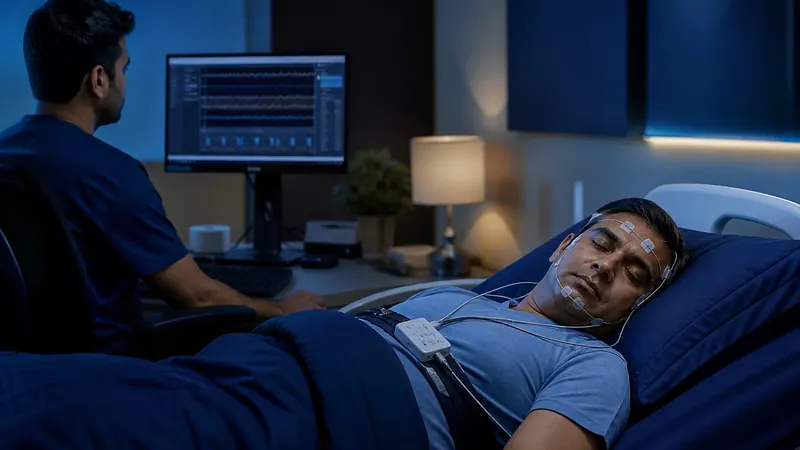
Sleep-related neurological disorders including restless legs syndrome, narcolepsy, REM sleep behaviour disorder, and sleep-related movement disorders significantly impact health and daily function. Dr. Nishanth Ponaganti evaluates sleep symptoms through detailed history, neurological examination, and targeted investigations. Restless legs syndrome is treated with dopaminergic agents and iron supplementation when deficient. Narcolepsy management includes stimulant and sodium oxybate therapy. REM sleep behaviour disorder may indicate underlying neurodegenerative conditions requiring monitoring. Addressing sleep disorders at ZOI Hospital, Attapur and Kondapur improves energy, mood, cognition, and overall neurological wellbeing.
-
 02
Neurological Risk Assessment
Neurological risk assessment identifies patients at elevated risk for stroke, dementia, and other conditions before symptoms become severe. Dr. Nishanth Ponaganti evaluates vascular risk factors, family history, cognitive baseline, and lifestyle patterns to calculate individual risk profiles. High-risk patients receive targeted interventions — blood pressure optimisation, diabetes control, statin therapy, and physical activity recommendations. Preventive strategies are especially valuable for patients with family history of stroke or dementia at ZOI Hospital, Attapur and Kondapur.
-
 03
Preventive Neurological Care
Preventive neurological care focuses on maintaining brain health through proactive screening, lifestyle optimisation, and early intervention. Dr. Nishanth Ponaganti provides guidance on sleep hygiene, regular exercise, Mediterranean diet, cognitive stimulation, and cardiovascular risk factor management — all proven to reduce stroke and dementia risk. Periodic neurological check-ups detect subtle changes in reflexes, gait, or cognition. Prevention is always more effective than treatment after damage occurs at ZOI Hospital, Attapur and Kondapur.
-
 04
Early Evaluation of Neurological Symptoms
Early evaluation of neurological symptoms — occasional numbness, mild tremor, brief dizziness, or memory lapses — can prevent minor concerns from becoming major disabilities. Dr. Nishanth Ponaganti assesses whether symptoms represent benign conditions or early signs requiring treatment such as neuropathy, Parkinson's disease, or cognitive decline. Many patients delay consultation hoping symptoms resolve, but neurological conditions respond best to early intervention. Timely assessment at ZOI Hospital protects your long-term health.

Why Choose Dr. Nishanth Ponaganti
Dr. Nishanth Ponaganti
Consultant Neurologist · DM Neurology (NIMS)
- DM Neurology — NIMS Hyderabad
- Fellowship in Headache & Facial Pains
- Reg. No. APMC-FMR-78867
- 5,000+ patients treated · 10+ years experience
- ZOI Hospital Attapur · Apollo Spectra Kondapur
Sleep disorders overlap with neurology, psychiatry, and pulmonology — often leading to fragmented care. Dr. Nishanth Ponaganti evaluates sleep problems through a neurological lens, identifying root causes rather than prescribing sedatives as a default.
Questions About Sleep & Neurological Wellness
Many sleep disorders have neurological causes including narcolepsy, restless legs syndrome, and sleep-related movement disorders. A neurologist can evaluate and treat these.
Preventive care includes early screening for stroke risk, headache management, and evaluation of warning signs before conditions become severe.
RLS causes an irresistible urge to move the legs, especially at night. It has neurological origins and responds well to specific medications prescribed by a neurologist.
Chronic sleep deprivation increases stroke risk, worsens headaches, impairs memory, and affects mood. Treating sleep disorders protects overall neurological health.
Most adults require 7–9 hours of quality sleep per night. Chronic sleep deprivation below 6 hours increases stroke, obesity, and cognitive decline risk. If you consistently sleep less or more without feeling rested, neurological evaluation is warranted.
Benzodiazepine and Z-drug sedatives are not recommended for long-term use due to dependence, cognitive impairment, and fall risk — especially in elderly patients. A neurologist identifies the underlying cause and prescribes targeted treatment rather than indefinite sedatives.
Ready to Discuss Your Treatment?
Book a neurology consultation for Sleep & Neurological Wellness at ZOI Hospital, Attapur or Apollo Spectra, Kondapur.



Clinic & Hospital Locations
ZOI Hospital, Attapur
ZOI Hospital, Attapur and Kondapur, Hyderabad, Telangana 500048, India
Mon – Sat · 10:00 AM – 4:00 PM
Apollo Spectra, Kondapur
Apollo Spectra Hospitals, Kondapur, Hyderabad, Telangana, India
Mon – Sat · 5:00 PM – 7:00 PM