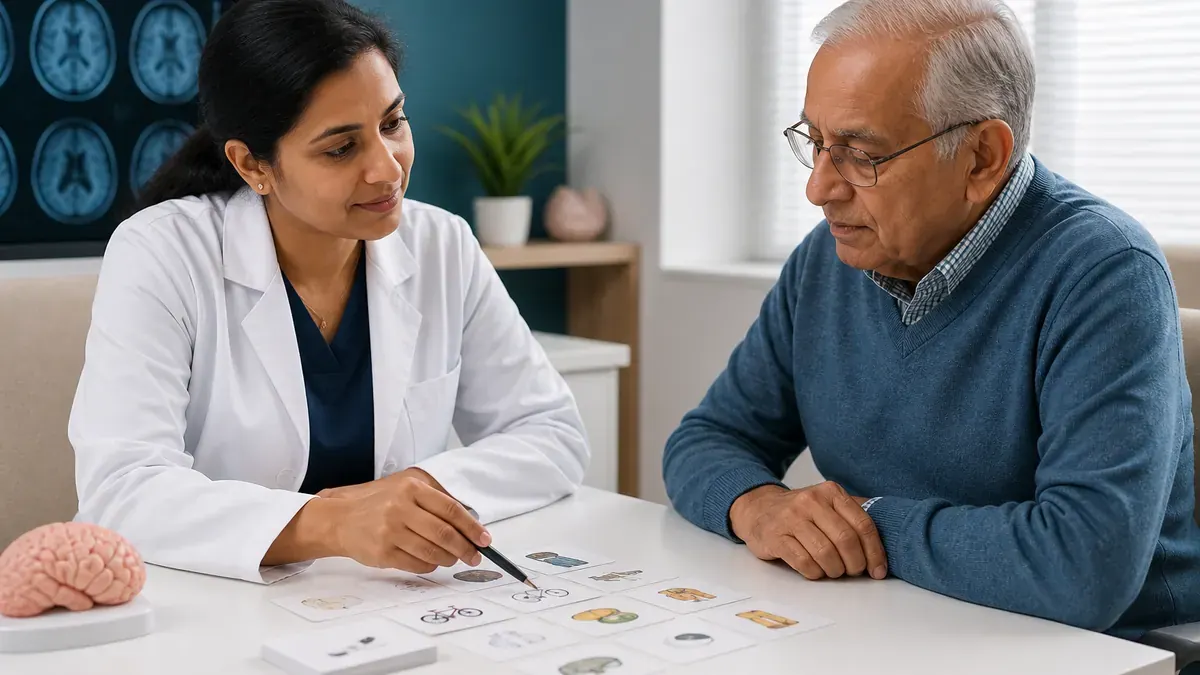
A first seizure can be frightening. Families often ask: "Was this epilepsy? Will it happen again?" Not every seizure means epilepsy — here is a clear guide to what typically happens next.
What Is a Seizure?
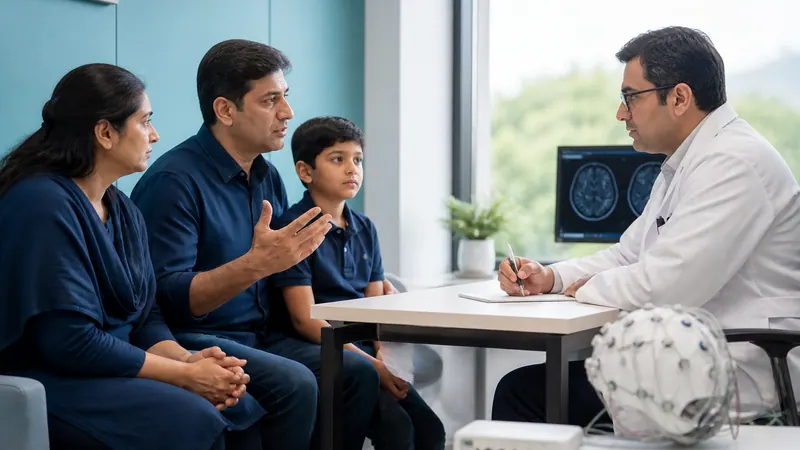
A seizure is a sudden, uncontrolled electrical disturbance in the brain. Symptoms range from brief staring spells to full-body convulsions. Provoked seizures — from fever, alcohol withdrawal, or low sodium — are treated differently from unprovoked seizures.
Immediate Steps After a Seizure
- Turn the person onto their side to keep the airway clear.
- Do not put anything in the mouth or restrain movements.
- Time the seizure — call emergency services if it lasts more than 5 minutes.
- After the seizure, the person may be confused — stay calm and reassure them.
- Seek medical evaluation even if the seizure stops on its own.
Diagnostic Tests Your Neurologist May Order
EEG (electroencephalogram) records brain electrical activity. A normal EEG does not rule out epilepsy — repeat or prolonged EEG may be needed.
MRI brain looks for structural causes such as scar tissue, tumours, or stroke-related changes.
Blood tests rule out metabolic triggers — glucose, sodium, calcium, and infections.
Will It Happen Again?
After a single unprovoked seizure, recurrence risk over two years is approximately 30–40%, depending on EEG and MRI findings. Abnormal EEG or structural brain lesions increase this risk.
Safety Until Your Follow-Up
Avoid swimming alone, do not drive until cleared, avoid working at heights, and take showers instead of baths when alone. Inform school or workplace if a child or adult had a seizure.
When Does Treatment Start?
Anti-seizure medication is not always started after a first seizure. Treatment is more likely after a second seizure or high recurrence risk on testing. Modern anti-seizure drugs are effective for most patients.
Get expert evaluation from Dr. Nishanth Ponaganti at ZOI Hospital, Attapur and Kondapur. EEG available.